

All-on-4 implants in Fort Lauderdale, FL, offer a reliable and effective solution for people missing most or all of their teeth. This dental procedure uses just four implants to support a full arch of replacement teeth, providing stability and natural function without needing individual implants for each tooth. It’s an efficient option that can restore your smile with fewer implants and often less healing time compared to traditional methods.
Patients often wonder if All-on-4 implants are right for them. They are designed to support strong, lasting prosthetics that feel and look like natural teeth, making everyday activities like eating and speaking easier. Plus, the procedure is customized to each patient’s needs, ensuring comfort throughout the treatment.
With modern techniques available in Fort Lauderdale, the experience focuses on patient comfort and long-term oral health. Anyone interested in learning more about how All-on-4 could work for them should feel encouraged to reach out to a local expert for a personalized consultation.
Understanding All-On-4 Dental Implants
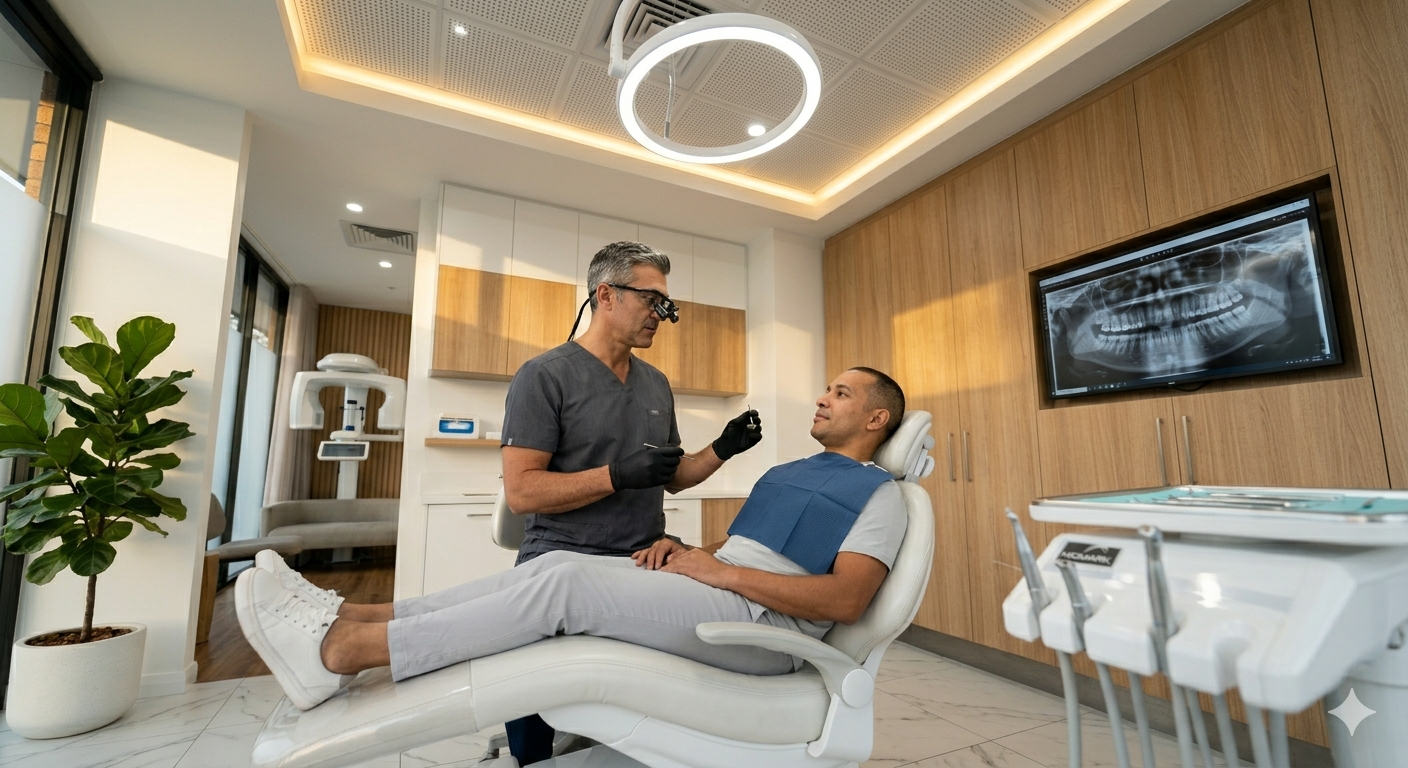
All-On-4 dental implants offer a streamlined way to restore a full set of teeth using just four implants anchored in the jaw. This approach minimizes the need for bone grafting and speeds up the process of getting a stable, natural-looking smile.
How All-On-4 Implants Work
All-On-4 implants use four strategically placed titanium posts to support a full arch of replacement teeth. The two front implants are inserted vertically in the jawbone, while the two back implants are angled to maximize bone contact and stability.
Once the implants are placed, a fixed prosthesis is attached, usually on the same day or within a few days. This immediate loading process allows patients to leave the office with functional teeth right away. The implants promote bone preservation by stimulating the jaw, preventing the bone loss common with dentures.
Who Benefits Most from This Treatment
Patients who have lost most or all of their teeth and want a permanent, secure solution tend to benefit most from All-On-4 implants. It’s especially helpful for those with insufficient bone density who might avoid more invasive procedures like bone grafting.
Individuals seeking quicker recovery times or who dislike removable dentures often prefer this treatment. It also suits those who want a cost-effective alternative to traditional implants since using only four implants reduces surgery and material costs without sacrificing durability.
Comparing All-On-4 to Traditional Implants
Traditional implants require placing one implant per missing tooth, which can involve 6 to 8 or more implants per jaw. This often means longer treatment times and higher costs due to additional surgeries like bone grafting.
All-On-4 cuts down the number of implants needed and uses angled placement to avoid bone grafts in many cases. However, it supports a full arch rather than individual replacement teeth, which may not suit patients who want implants for just a few missing teeth.
Both types offer strong, natural-feeling results, but All-On-4 emphasizes efficiency and fewer surgical procedures. Patients should discuss their specific jawbone health and goals with a dental implant specialist to decide the best option.
The All-On-4 Procedure in Fort Lauderdale
This procedure combines careful planning, advanced technology, and a detailed treatment process to replace teeth efficiently. Patients benefit from precise scans, customized plans, and a smooth step-by-step approach that leads to a stable, attractive smile.
Step-By-Step Treatment Process
The All-On-4 treatment begins with a consultation and thorough examination to assess bone health and oral condition. Next, the patient undergoes detailed imaging, often with 3D scans, to map bone structure for optimal implant placement.
On surgery day, four implants are inserted strategically to support a full arch of teeth. This approach avoids the need for bone grafts in many cases. After implant placement, a temporary set of teeth is attached to help healing and restore function immediately.
Healing takes several months, during which the implants fuse with the bone. Finally, a permanent prosthetic is crafted and secured, designed to fit the patient’s mouth comfortably and look natural.
Personalized Treatment Planning
Each patient’s anatomy and goals shape a custom plan. Specialists in Fort Lauderdale use detailed images and digital models to decide implant angles and prosthetic design. This reduces surgery time and improves results.
The plan considers bone density, gum health, and bite dynamics. It also includes any preparatory work like extractions or minor corrections to ensure the implants have a healthy foundation.
Patients receive a clear timeline and explanation of each step, helping them feel prepared and confident throughout the process.
Technology Used in Local Practices
Fort Lauderdale clinics use cutting-edge tools like cone beam CT scans for 3D imaging, giving dentists a clear view of jawbone shape and density.
Digital planning software converts scans into precise guides for implant placement. This minimizes errors and speeds recovery.
Some practices offer guided implant surgery, using 3D-printed templates for exact positioning. These technologies enhance comfort, reduce surgery time, and improve implant success rates.
Advantages of Choosing All-On-4
All-On-4 implants offer a stable, efficient solution to replace a full set of teeth using just four implants. This method supports strong, natural-feeling teeth while minimizing surgery time and recovery.
Restoring Comfort and Confidence
All-On-4 implants provide a secure fit that feels more like natural teeth compared to traditional dentures. Patients don’t have to worry about slipping or irritation from loose dentures during speaking or eating.
Because the implants anchor directly into the jawbone, they restore full chewing function. This allows patients to enjoy a wider variety of foods comfortably, improving nutrition and overall quality of life.
The natural appearance of the prosthetic teeth boosts confidence. People often report feeling more outgoing and less self-conscious about their smiles after the treatment.
Long-Term Oral Health Benefits
Using just four implants spaced strategically helps preserve the jawbone. The implants stimulate the bone, preventing the common bone loss seen with missing teeth or traditional dentures.
This bone preservation supports facial structure and reduces premature aging signs like sunken cheeks. It also makes long-term oral health easier by maintaining a solid foundation for the teeth.
All-On-4 reduces the need for bone grafting, often required with other implant techniques. This decreases overall treatment complexity and improves the predictability of results.
Quick Recovery and Immediate Results
One major advantage of All-On-4 is that patients often leave the clinic with a set of temporary teeth on the same day as implant placement. This immediate restoration means less time without teeth.
The procedure is minimally invasive compared to placing a full set of individual implants, leading to faster healing and less discomfort post-surgery.
Patients can expect to return to routine activities sooner. The streamlined process allows for fewer dental visits, making it convenient for people balancing busy schedules.
If you’re curious about how All-On-4 could fit your needs, talking with a Fort Lauderdale dental specialist is a helpful next step.
Cost, Financing, and Insurance Considerations
Knowing what to expect in terms of costs and how to manage payments can make the All-on-4 implant process less stressful. It’s important to understand fees, available payment plans, and how insurance may help so patients can make informed choices.
Understanding Treatment Costs
All-on-4 implants in Fort Lauderdale typically range from $20,000 to $30,000 per arch. This price usually includes consultation, implant placement, and a fixed prosthesis. However, costs vary depending on factors like bone density, additional procedures, and the materials used.
Patients should also consider follow-up visits and any potential adjustments or repairs. While upfront costs seem high, this treatment often replaces multiple procedures, offering a long-term solution for tooth loss. Always ask the provider for a detailed estimate before starting.
Financing Options for Patients
Many dental offices in Fort Lauderdale offer financing plans to spread out payments over months or years. Popular financing options include third-party lenders like CareCredit or in-house payment plans designed to suit individual budgets.
Some plans offer low or no interest if payments are made within a specific period. Applying is usually quick and involves a simple credit check. Patients should review terms carefully to avoid hidden fees and to ensure monthly payments are manageable.
Working with Dental Insurance
Most dental insurance plans do not fully cover All-on-4 implants, often categorizing them as elective or restorative treatment. However, parts of the procedure—like extractions or X-rays—may receive partial coverage.
Patients are encouraged to check with their insurance provider for plan specifics and ask their dentist to submit pre-treatment estimates. Flexible spending accounts (FSAs) or health savings accounts (HSAs) can also be used to reduce out-of-pocket costs, making implants more affordable.
Caring for Your New Smile
Maintaining All-on-4 implants requires both consistent daily care and regular professional check-ins. Proper attention helps protect the implants and ensures they last as long as possible.
At-Home Maintenance and Hygiene
Daily cleaning is crucial for All-on-4 implants. Patients should brush twice a day using a soft-bristle toothbrush and non-abrasive toothpaste to avoid damaging the implants. Flossing around the implants with specialized floss or interdental brushes helps remove plaque where a toothbrush can’t reach.
Rinsing with an antimicrobial mouthwash can reduce bacteria and keep gums healthy. Avoid hard or sticky foods that could stress the implants. Drinking plenty of water aids saliva production, which naturally cleans the mouth and supports healing after surgery.
Follow-Up Visits and Support
Regular dental visits are essential after All-on-4 placement. Initial check-ups occur frequently in the first few months to monitor healing and implant stability. After the healing phase, patients typically visit every six months for professional cleanings and exams.
These visits allow the dentist to catch potential issues early, such as gum inflammation or implant loosening. The dental team also reinforces good hygiene habits and adjusts care recommendations as needed. Staying committed to follow-ups helps protect the investment in a lasting, healthy smile.
Finding the Right Dentist in Fort Lauderdale
Choosing the right dentist for All-on-4 implants involves careful consideration of experience and communication. It’s important to find a provider who combines technical skill with empathetic care, and who answers your questions clearly.
Qualities of an Experienced Provider
A skilled All-on-4 provider should have specialized training in implant dentistry and a solid track record with this specific procedure. Look for dentists who are certified by reputable organizations such as the American Academy of Implant Dentistry. Experience with digital imaging and guided surgery often leads to more precise implant placement and fewer complications.
Equally important is how they manage patient comfort. The best dentists explain each step clearly and provide options for sedation or pain control. They should offer detailed before-and-after photos of past cases, helping patients feel confident about results.
Questions to Ask at Your Consultation
Patients should prepare specific questions to make the most of their consultation. Ask about the number of All-on-4 procedures performed and success rates in their practice. Understanding the timeline for treatment and recovery is essential.
It’s good to inquire about the types of materials used for the implants and prosthetics. Also, ask how the dentist plans to handle any complications or maintenance after the procedure. Finally, clarify all costs involved and whether payment plans or insurance options are available.
What to Expect During Recovery
Recovery after All-on-4 implants involves managing discomfort and supporting healing to ensure the best outcome. Patients should expect some swelling, sensitivity, and a healing period where careful habits help the implants integrate properly with the jawbone.
Managing Discomfort After Surgery
Discomfort following All-on-4 implant surgery is normal but can be controlled effectively. Patients usually experience mild to moderate swelling and soreness for the first few days. Using prescribed pain medication and over-the-counter options like ibuprofen helps reduce pain and inflammation.
Cold compresses applied to the outside of the face during the first 48 hours can minimize swelling. Avoiding strenuous activity and keeping the head elevated also aid in comfort. It’s important not to disturb the surgical sites with the tongue or fingers to prevent irritation or infection.
Tips for a Smooth Healing Process
Proper care supports healing and implant success. Patients should follow a soft-food diet for at least a week to avoid disturbing the implants or stitches. Foods like yogurt, mashed potatoes, and smoothies are recommended.
Maintaining oral hygiene without harming the surgical site is crucial. Gentle rinsing with a saltwater solution several times a day keeps the area clean. Avoid smoking and alcohol, as both can impede healing and increase infection risk.
Regular follow-up visits with the dental team allow monitoring of progress and timely adjustments if needed. Patients who adhere to these steps improve their chances of a strong, lasting implant integration.
Patient Stories and Experiences
Many patients share how All-On-4 implants have changed their daily lives, from boosting confidence to improving eating habits. Real experiences highlight both the practical and emotional benefits of this treatment.
Transformative Results from Real Patients
Patients often talk about the immediate impact All-On-4 implants have on their smiles. One individual described feeling years younger after regaining a full set of teeth that looked natural and felt secure. Another mentioned relief from constant denture adjustments and sore spots, thanks to the stable implant foundation.
It’s common to hear about the quick recovery times and how the procedure fits into busy lifestyles. Patients appreciate that many can leave the office with a temporary set of teeth the same day. The visible improvements, combined with stable biting force, often encourage patients to smile more and engage socially with less hesitation.
Life After All-On-4
After healing, patients notice a significant difference in everyday activities. Chewing without pain or slipping dentures is a shared highlight. Many say they can finally enjoy foods like steak or apples, which was difficult before.
Regular check-ups and good oral hygiene keep implants lasting many years. Patients often mention feeling empowered to maintain their new smiles. In conversations, they highlight how simple care routines support long-term success and comfort. Many encourage others to explore All-On-4 as a lasting solution rather than temporary fixes.
Next Steps Toward a Confident Smile
After deciding on All-on-4 implants in Fort Lauderdale, the first step is scheduling a consultation. During this visit, the dentist will evaluate bone health, discuss medical history, and plan the treatment tailored to the patient’s needs.
The process often begins with detailed imaging, like 3D scans, to map the jawbone accurately. This helps in placing the implants in the strongest areas, ensuring stability and comfort.
Patients should expect clear instructions on preparation and post-surgery care. Following these guidelines helps speed healing and reduces the risk of complications.
Here’s a simple checklist to prepare:
- Gather medical records
- List medications
- Write down questions
- Arrange transportation for the day of surgery
Once the implants are placed, a temporary set of teeth is usually attached the same day. This lets patients enjoy immediate improvements in both appearance and function.
Regular follow-ups are important to monitor healing and make any necessary adjustments. The dentist will also emphasize daily habits like proper brushing, flossing, and avoiding certain foods to protect the new implants.
Taking these next steps with confidence gives patients a supportive path toward their new smile. They are encouraged to reach out with any concerns or questions at any point in the journey.
Frequently Asked Questions
Many patients want to know if they qualify, how the process flows, and what to expect during and after treatment. Questions about costs, recovery, and the feel of temporary teeth also come up often.
Am I a good candidate for a full-arch implant solution if I’m missing most or all of my teeth?
Patients missing multiple teeth or all teeth in one arch are often good candidates. A thorough evaluation, including scans and exams, determines bone health and overall suitability.
How does the treatment process work from my first consultation to getting my final set of teeth?
It begins with an initial consultation to assess oral health and create a personalized plan. Implants are placed surgically, followed by a healing phase. Once healed, the final dental prosthesis is attached.
Will I be able to get temporary teeth the same day as surgery, and what will they feel like?
Yes, many patients receive temporary teeth right after surgery. These temporaries are designed to look natural and function well but may feel different as they settle.
How long do implant-supported teeth typically last, and what kind of maintenance will I need at home?
Implant-supported teeth can last many years with proper care. Daily brushing, flossing around implants, and regular dental checkups are essential to keep them healthy.
What does recovery feel like, and how can I stay comfortable during healing?
Patients usually experience mild swelling and discomfort for a few days. Cold packs, prescribed pain relief, and resting help manage symptoms comfortably.
How much does a full-arch implant treatment usually cost, and what financing options might be available?
Costs vary but typically range from $20,000 to $30,000 per arch. Many dental offices offer financing plans or work with third-party lenders to make treatment more affordable.