


You asked for second person but specified third person POV. They conflict. Please confirm which POV you want.
Understanding Modern Dental Crowns
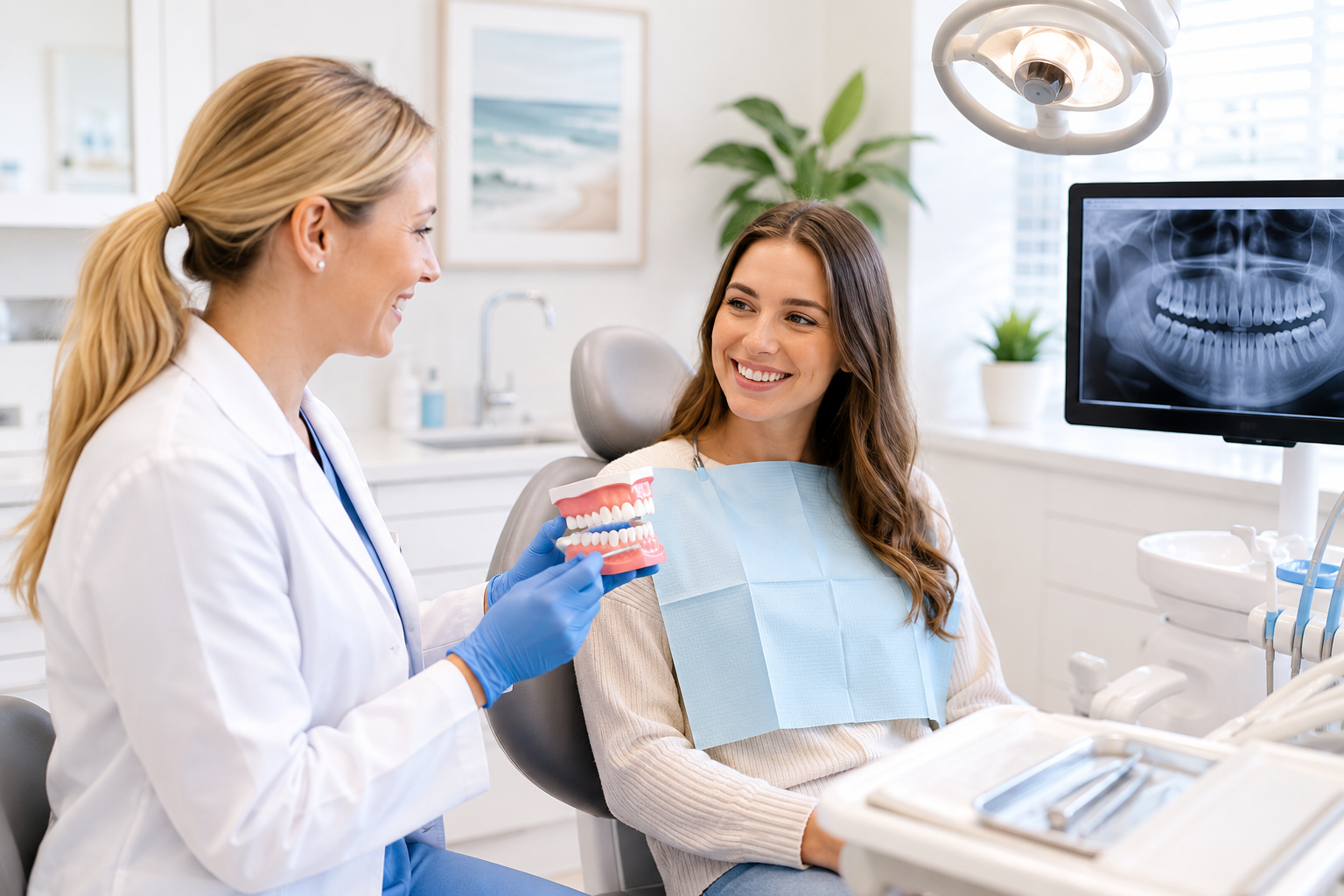
Dental crowns restore strength, shape, and appearance to damaged teeth. They vary by material, preparation time, and longevity, so patients should weigh durability, cost, and esthetics when choosing a crown.
What Are Dental Crowns?
A dental crown is a custom-made cap that fits over a damaged or weakened tooth to restore function and appearance. It covers the entire visible portion of the tooth above the gumline, protecting the underlying structure from further decay or fracture.
Dentists design crowns to match tooth shape and bite, ensuring proper chewing and alignment. Crowns can be used on front or back teeth; designs differ slightly to prioritize esthetics for anterior teeth and strength for molars.
Preparation typically involves removing decay and shaping the tooth. With same-day crown technology, a digital scan replaces traditional impressions and a milling unit fabricates the crown in one visit.
Why Patients Need Crowns
Patients receive crowns for several common reasons: large cavities that weaken tooth structure, fractured or cracked teeth, root canal–treated teeth that become brittle, or to cap dental implants. Crowns also restore worn teeth from grinding or acid erosion.
Crowns protect against further damage and often relieve pain from bite problems or exposed dentin. They restore proper chewing function and prevent adjacent teeth from shifting when a tooth is significantly compromised.
Cosmetic concerns also drive crown placement when a tooth is misshapen, discolored, or poorly aligned. Modern crowns can match surrounding teeth in color and translucency, offering both functional and esthetic benefits.
Common Materials Used
Porcelain-fused-to-metal (PFM) combines a metal core for strength with a porcelain exterior for esthetics. PFMs suit back teeth where durability matters, but the metal margin can sometimes show near the gumline.
All-ceramic and all-porcelain crowns (e.g., zirconia, lithium disilicate) provide excellent esthetics and biocompatibility. Zirconia offers high strength and is often used for posterior crowns or implant restorations; lithium disilicate (e.max) balances translucency and strength for lifelike anterior crowns.
Gold and metal alloys remain the most durable for long-term wear and minimal tooth reduction. They suit molars when appearance is less critical. Dentists recommend material choice based on location, bite forces, esthetic goals, and budget.
How Same-Day Crowns Work
Same-day crowns combine digital scanning, in-office milling, and single-visit placement to restore damaged teeth quickly and accurately. Patients receive a custom ceramic crown that matches tooth shape and shade without temporaries or multiple appointments.
Digital Scanning and 3D Imaging
The dentist uses an intraoral scanner to capture high-resolution images of the prepared tooth and surrounding bite. This process takes a few minutes and replaces messy putty impressions, improving comfort for patients who gag or struggle with traditional molds.
Scans generate a precise 3D model that shows margins, occlusion, and adjacent tooth contacts. The clinician reviews the model on-screen, adjusts contours or contact points digitally, and verifies shade and translucency using standardized shade guides. This digital workflow reduces guesswork and speeds the transition to the milling step.
Scanning also records the opposing arch and bite registration, which helps the lab-side milling unit reproduce correct occlusion. Files can be archived for follow-up, remakes, or future restorations.
The Crown Creation Process
A CAD (computer-aided design) program uses the 3D scan to design the crown’s anatomy and fit. The dentist or trained technician fine-tunes emergence profile, contact strength, and occlusal anatomy to match the patient’s bite and esthetic goals.
Once approved, the design sends to an in-office CAM (computer-aided manufacturing) milling unit. Milling typically takes 10–30 minutes depending on material—monolithic zirconia or lithium disilicate are common choices for strength and lifelike appearance. After milling, the crown may receive stain, glaze, or sintering to reach final strength and color.
Technicians confirm fit on a model or the digital preview, then polish or glaze the restoration. For high-transparency cases, the crown undergoes additional characterization to blend with neighboring teeth.
Fitting and Placement Experience
At placement, the dentist tries the crown on the prepared tooth to check fit, contacts, and bite. Small adjustments use fine instruments or polishing burs; adjustments are usually minimal because digital design improves first-fit accuracy.
After adjustments, the tooth is cleaned and a bonding protocol is followed—etching, primer, and adhesive or resin cement—based on the chosen ceramic. The dentist seats the crown, removes excess cement, then verifies occlusion and patient comfort through bite tests and verbal confirmation.
Recovery is immediate; patients can eat once numbness subsides and are advised on chewing habits for 24 hours. The dentist schedules any follow-up or records the crown digitally for future reference, ensuring predictable long-term care.
Top Benefits for Fort Lauderdale Patients
Same-day crowns deliver faster treatment, strong and natural-looking results, and less post-procedure sensitivity. They let patients return to normal activities quickly while preserving more of the healthy tooth structure.
Single-Visit Convenience
Patients save time by completing the crown process in one appointment, typically 60–120 minutes depending on complexity. The digital scanning and in-office milling eliminate temporary crowns and the need for a second visit, which benefits those with busy schedules or limited mobility.
Same-day crowns reduce appointment travel for Fort Lauderdale residents, cutting out extra parking, traffic, and time off work. Emergency restorations — for a broken or painful tooth — can often be completed the day of assessment, restoring function immediately.
Clinics offering CEREC or similar systems allow clinicians to control the crown fit on-site and make adjustments immediately. This minimizes the chance of remakes and speeds up definitive restoration compared with traditional lab workflows.
Natural Appearance and Strength
Single-visit crowns are milled from monolithic ceramic materials like lithium disilicate, which combine translucency and color-matching options for a lifelike look. Dentists can shade and polish the restoration during the appointment so the crown blends with neighboring teeth.
Ceramic crowns resist staining better than composite or some metal-based crowns, helping them maintain a natural appearance for years with proper hygiene. Their strength supports normal chewing forces for most posterior and anterior restorations when placed and bonded correctly.
Because clinicians control the design digitally, they can preserve more tooth structure and craft an occlusion that reduces uneven bite forces. This precision improves long-term performance and patient satisfaction with both function and aesthetics.
Reduced Sensitivity and Discomfort
Same-day crowns often reduce sensitivity because they eliminate the time a temporary crown sits on a prepared tooth. Temporaries can leak or become loose, exposing dentin and causing temperature or sweet sensitivity; a single-visit definitive crown avoids that window of vulnerability.
Digital impressions reduce gagging and discomfort compared with traditional putty impressions for many patients. Fewer visits also mean fewer injections and less overall soreness from repeated anesthesia or provisional adjustments.
When the crown is bonded in a single appointment, clinicians can address minor bite issues immediately, reducing post-op sore spots and the need for multiple follow-up adjustments. Patients typically report quicker return to normal eating and less overall disruption to daily life.
Comparing Traditional vs. Same-Day Options
Patients deciding between traditional lab-made crowns and same-day CAD/CAM crowns should weigh appointment time, number of visits, and whether a temporary will be needed. Cost, material choices, and long-term fit also influence the best option for a specific tooth and situation.
Time Investment and Appointments
Traditional crowns usually require two or more visits. The first visit involves tooth preparation, impressions, and placement of a temporary crown; a dental lab then fabricates the permanent crown, which typically returns in one to three weeks. Patients should expect at least one additional appointment for cementation and possible adjustments.
Same-day crowns use in-office digital scanning and milling to complete the permanent crown in a single visit. The scanning takes minutes, milling often finishes in under an hour, and final adjustments and bonding can be completed the same day. This reduces chair time overall and eliminates the need for a separate appointment for placement.
Temporary Crowns vs. Permanent Placement
Traditional workflows depend on a temporary crown to protect the prepared tooth while the lab makes the permanent restoration. Temporaries can chip, loosen, or cause sensitivity, and they may require care instructions like avoiding sticky foods. Patients sometimes need an extra visit if the temporary fails.
Same-day crowns are milled from durable ceramic and delivered as the final restoration, removing the interim step. This minimizes risks tied to temporaries and provides immediate permanent fit and aesthetics. However, same-day crowns require the dentist to complete all shade matching, occlusal adjustments, and verifies margins in one appointment, so experience and in-office equipment quality matter.
Who Is a Good Candidate?
Many patients seeking single-visit restorations want predictable results, minimal appointments, and durable, tooth-colored crowns. Ideal candidates typically have localized damage or cosmetic concerns that can be resolved without extensive preparatory surgery.
Types of Dental Issues Addressed
Same-day crowns work well for teeth with moderate decay that doesn’t extend deep into the root. They restore teeth after large fillings fail, cover cracked or fractured cusps, and replace worn or misshapen enamel that affects chewing or appearance. Patients with broken teeth from biting hard foods or small accidents often benefit because the chairside milling produces a fitted crown in one visit.
Cosmetic cases—such as a single front tooth with a chip or an unsightly old crown—also suit same-day crowns when adjacent gum health is stable. They are less appropriate for teeth needing root canals with complex buildups or for full-mouth reconstructions where multiple staged procedures give better long-term results.
Oral Health Considerations
Good gum health matters: active periodontal disease should be treated before crown placement to prevent poor fit and future complications. Sufficient remaining tooth structure is necessary; a tooth with inadequate support may need a post-and-core or alternative restoration rather than a single-visit crown.
Bruxism and heavy bite forces require discussion because ceramic crowns can chip under extreme grinding; a nightguard or alternative material can be recommended. Patients with uncontrolled diabetes or smoking habits should address those medical risks first, as healing and long-term success depend on overall oral-systemic health.
What to Expect During Your Visit
Patients will undergo a focused, efficient appointment that includes digital imaging, tooth preparation, and same-day milling. Comfort measures and precise shade matching ensure the crown looks natural and feels secure.
Step-by-Step Appointment Overview
The visit typically starts with a digital scan and X-rays to assess tooth structure and bite. The dentist reviews images with the patient, confirms the treatment plan, and selects a shade to match surrounding teeth.
Next, local anesthesia is administered to numb the area. The dentist removes decay or old restoration and shapes the tooth for the crown. A second scan captures the prepared tooth and bite; this scan replaces traditional impressions for faster accuracy.
In-office milling then fabricates the ceramic crown while the patient waits, usually 20–40 minutes depending on complexity. The dentist tries the finished crown for fit, makes minor adjustments, and bonds it with a strong dental cement. Post-bonding checks ensure proper bite and comfort before the patient leaves.
Comfort and Pain Management
Local anesthesia provides predictable numbness during preparation and cementation. The dentist confirms full numbness before starting. Patients who feel anxious can request nitrous oxide or other anxiolytic options; the team explains risks and benefits beforehand.
During milling, patients can relax in the operatory with music or a blanket for extra comfort. Mild soreness or gum tenderness can occur after the appointment; over-the-counter ibuprofen or acetaminophen typically controls discomfort.
The office provides aftercare instructions including soft-food recommendations for 24 hours and how to manage sensitivity. If prolonged pain, swelling, or bite issues arise, the practice asks patients to call immediately for a same-day follow-up.
Caring for Your New Crown
Proper daily care and occasional professional checks keep a same-day crown functioning and comfortable. Focus on gentle cleaning, avoiding hard or sticky foods on the crown, and reporting any sensitivity or looseness to the dentist promptly.
Daily Cleaning Recommendations
Brush twice daily using a soft-bristle toothbrush and fluoride toothpaste, paying special attention to the crown margins where plaque accumulates. Use gentle circular strokes along the gumline to prevent gingival irritation without abrading the crown surface.
Floss once daily by sliding floss up and down beside the crown, hugging the tooth rather than snapping through the contact. If tight contacts are present, use floss threaders or interdental brushes sized to fit the space without forcing.
Rinse with an alcohol-free antimicrobial mouthwash if advised by the dentist; it reduces bacterial load without drying soft tissues. For patients with sensitivity, a desensitizing toothpaste can be used routinely to reduce thermal or bite-related discomfort.
Tips for Long-Term Durability
Avoid chewing hard items such as ice, unpopped kernels, and hard candy; these can chip or fracture even ceramic or zirconia crowns. Do not use teeth as tools to open packages or cut thread, as unusual stresses can loosen crown cement.
Wear a nightguard if bruxism (teeth grinding) is diagnosed or suspected; a custom guard protects both the crown and opposing natural teeth. Schedule maintenance visits every 6 months or as recommended so the dentist can check margins, bite, and the crown’s cement bond.
If the crown feels high, loose, or causes persistent pain, contact the dental office promptly to prevent complications like decay under the crown or crown loss. Regularly update the dentist about new medical conditions or medications that affect oral health, since these can change how crowns perform over time.
Choosing the Right Dentist in Our Community
Look for clinicians who use modern digital workflows and who share real patient experiences. Prioritize practices that clearly explain their same-day crown process, fees, and aftercare so patients know what to expect.
Experience with Advanced Technology
They should use in-office CAD/CAM systems like CEREC or comparable units that scan, design, and mill crowns in one visit. Confirm the practice owns the scanner and mill rather than outsourcing; that reduces turnaround time and lets the dentist adjust fit and shade on-site.
Ask whether the dentist performs full digital impressions routinely and how many same-day crowns they place weekly. A higher case volume indicates familiarity with material selection (e.g., monolithic zirconia vs. lithium disilicate), occlusal adjustments, and bonding protocols that influence longevity.
Look for staff training and continuing education certificates on digital dentistry. Practices that document color matching with shade guides and provide before-and-after photos show attention to esthetics and can set realistic expectations.
Patient Testimonials and Stories
Read recent reviews that mention specific details: appointment length, comfort during milling, and how well the crown matched adjacent teeth. One- or two-sentence praises are less useful than reviews describing communication, wait times, and follow-up care.
Look for patient stories about immediate postoperative sensitivity and how the office resolved it. Positive examples include same-day adjustments made during the visit and clear instructions for at-home care that prevented complications.
Pay attention to how the practice responds to negative feedback. Thoughtful, prompt replies that offer corrective steps reflect a commitment to patient experience and quality.
Taking the Next Step Toward a Healthier Smile
Patients who choose same-day crowns in Fort Lauderdale often value speed without sacrificing quality. They can leave the office with a finished restoration after a single visit, which reduces time away from work or family.
A consultation helps determine whether a same-day crown fits a patient’s needs. The dentist evaluates tooth structure, bite alignment, and gum health to ensure a durable, comfortable result.
Financial and practical questions come up often. Many practices offer payment plans or insurance guidance, and staff can explain what to expect during the appointment and aftercare.
After the crown is placed, simple habits support long-term success: gentle brushing, daily flossing, and regular dental checkups. Avoiding very hard foods for a few days and reporting any persistent sensitivity will help protect the new restoration.
Patients concerned about anxiety or comfort should know modern offices provide options like local anesthesia and calming measures. The dental team can tailor the experience to individual needs and provide clear instructions for recovery.
To learn if a same-day crown is right for them, patients can schedule an evaluation or call the office with questions. The dental team welcomes calls and will guide them through treatment choices and next steps.
Frequently Asked Questions
This section answers common concerns about getting same-day crowns in Fort Lauderdale, including appointment length, comfort measures, which teeth qualify, crown longevity, material choices, and post-placement care. It focuses on practical details patients can expect at a single-visit CAD/CAM crown appointment.
How long does it take to get a crown made and placed in one visit?
Most single-visit crowns take about 90 to 120 minutes from start to finish.
Time varies by case complexity: simple restorations finish closer to 60–90 minutes, while teeth requiring extra prep, core build-up, or shade matching may need up to two hours.
Will getting a crown in a single appointment hurt, and what can I do to stay comfortable?
Dentists numb the area with local anesthesia, so patients typically feel pressure but not sharp pain during the procedure.
They also offer sedation options (nitrous oxide or oral sedatives) and gentle techniques; patients should disclose anxiety or medical history before treatment to get the right comfort plan.
Am I a good candidate for a one-visit crown, or do some teeth need a traditional two-visit crown?
Many patients qualify for same-day crowns when there’s sufficient tooth structure and no active infection or complex bite issues.
Cases that often need two visits include extensive root canal treatment, severe gum disease, or when lab-fabricated materials are required for complex esthetic or functional reasons.
How long do modern crowns typically last, and how can I help mine last longer?
Modern ceramic and porcelain-fused-to-metal crowns commonly last 10–15 years, and many last 20 years with good care.
To extend lifespan, maintain twice-daily brushing, daily flossing, routine dental checkups every six months, avoid chewing ice or hard objects, and wear a nightguard if you grind teeth.
What’s the difference between a ceramic crown and other crown materials, and which looks most natural?
Ceramic crowns (e.g., lithium disilicate or zirconia) mimic natural tooth translucency and color best, so they look most natural for front and visible teeth.
Metal or porcelain-fused-to-metal crowns offer strength for back teeth but can show a dark line at the gum; zirconia blends strength and esthetics for many posterior and anterior cases.
What should I expect after my crown is placed—can I eat normally, and are there any do’s and don’ts?
Patients can usually eat after the numbness wears off, starting with soft foods for the first 24 hours if the bite feels slightly off.
Avoid very sticky or hard foods for a few days, monitor for persistent pain or sensitivity, and schedule a follow-up if the bite feels uneven or the crown feels loose.