


You want a clear idea of what dental implants in Fort Lauderdale will cost and whether they fit your budget and lifestyle. Expect a typical single-tooth implant in Fort Lauderdale to cost between $2,500 and $5,000, with full-arch treatments and additional procedures like bone grafts raising the total.
This article breaks down those numbers, explains what drives price differences, and compares implants to other tooth-replacement options so you can weigh value against cost. It also covers insurance and financing choices, what to expect during the procedure, and how to choose the right Fort Lauderdale dentist, helping you take the next step with confidence.
Understanding Dental Implants
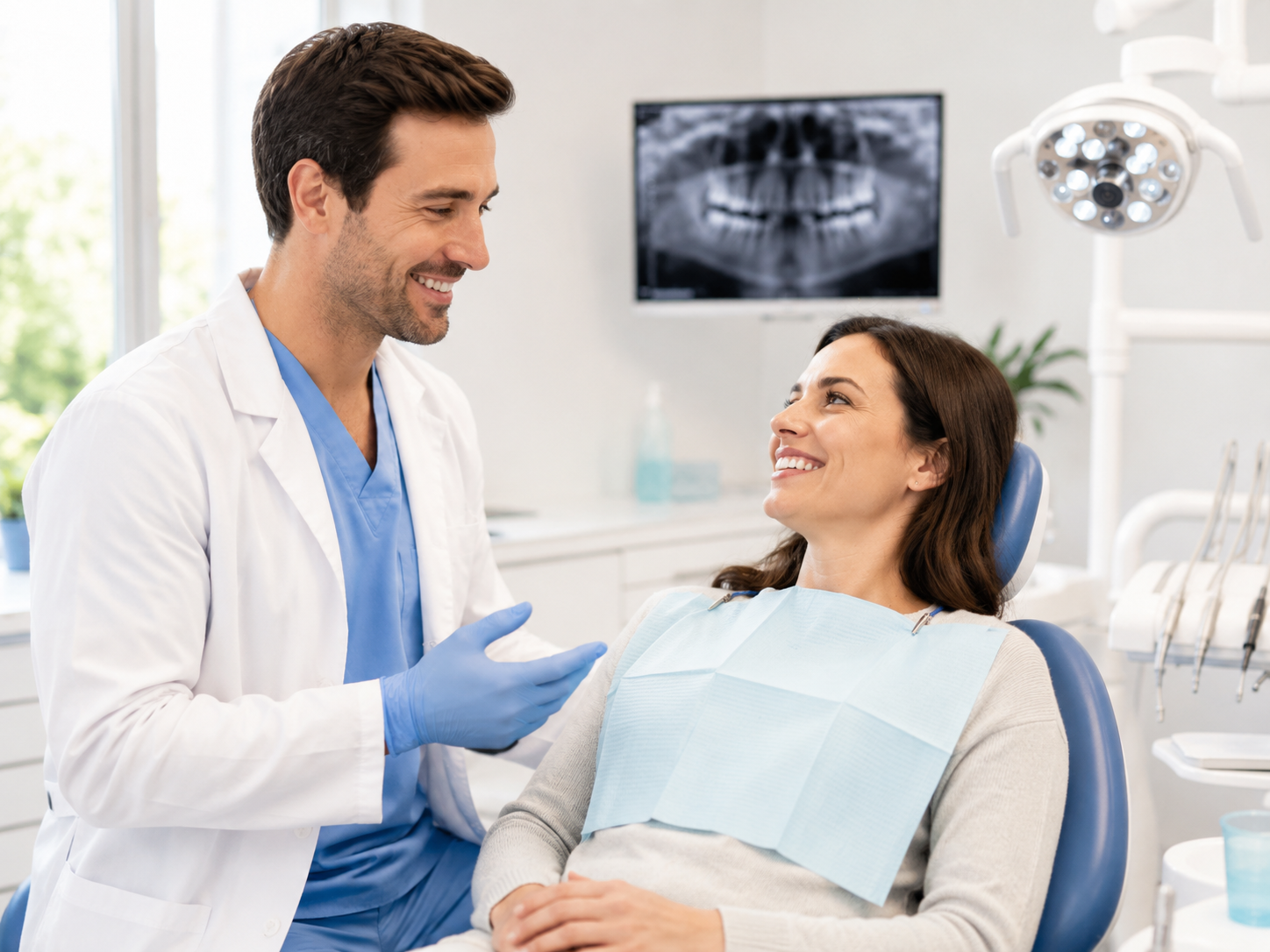
Dental implants replace missing teeth with permanent fixtures that mimic natural teeth in function and appearance. They stabilize chewing, prevent bone loss, and can support single crowns, bridges, or full-arch prostheses.
What Makes Dental Implants Unique?
Dental implants consist of three parts: a titanium post surgically placed into the jawbone, an abutment that connects the post to the visible tooth, and a crown that matches surrounding teeth. The titanium post osseointegrates — it fuses with bone — which provides stability unlike removable dentures that sit on gums.
Advantages compared with other options include preserved jawbone volume, no need to alter adjacent healthy teeth (as with a bridge), and superior chewing efficiency similar to natural teeth. Typical lifespan ranges from 10–30+ years with good oral hygiene and regular dental visits. Risks include infection, implant failure, and nerve or sinus complications, but these are uncommon when a qualified implant dentist plans and places the implant.
Types of Dental Implants
Common implant types vary by design and clinical use:
- Endosteal implants: Screw-shaped or cylinder implants placed into the jawbone; most widely used for single or multiple teeth.
- Subperiosteal implants: Framework sits on top of bone under the gum; used when jawbone height is insufficient and grafting is not an option.
- Zygomatic implants: Longer implants anchored in the cheekbone (zygoma) for severely resorbed upper jaws.
Restorative options include single crowns, fixed bridges on implants, and implant-retained overdentures. Materials for crowns and abutments typically include porcelain, zirconia, and titanium. Treatment timelines vary: a single implant crown can take 3–9 months including healing, while immediate-load protocols may place a temporary tooth the same day in select cases.
Who Is a Good Candidate?
Ideal candidates are adults with one or more missing teeth, adequate jawbone density, and healthy gums. Patients should commit to oral hygiene routines and attend periodic dental cleanings and exams. Specific favorable factors include non-smokers or those willing to quit, controlled systemic health conditions (like diabetes), and no active periodontal disease.
Contraindications include uncontrolled diabetes, heavy smoking, certain immune disorders, or recent head and neck radiation that compromise healing. Insufficient bone often requires grafting or alternative implant types. A thorough evaluation, including dental X-rays or CBCT scans, medical history review, and bite analysis, determines candidacy and customizes the treatment plan.
Breakdown of Costs in Fort Lauderdale
This section explains typical price ranges, what drives those prices, and how single-implant versus multi-implant treatments differ in cost and planning. It highlights the main expenses patients will see on estimates and what to ask the dental office before committing.
Average Price Range
Typical single dental implant placement in Fort Lauderdale ranges from $2,000 to $4,500 for the implant, abutment, and crown combined. Practices with specialist surgeons, advanced imaging (CBCT), or luxury materials may quote toward the higher end.
Extra procedures change the total: a bone graft adds roughly $300–$1,200, sinus lift procedures commonly run $800–$2,500, and CT scans cost about $150–$400. Many clinics break costs into separate line items (consultation, imaging, surgical fee, implant body, abutment, crown, lab fees), so patients can compare estimates side-by-side.
Insurance often covers parts of the restorative crown but rarely the implant fixture itself. Financing plans or in-house payment options can spread costs over 6–60 months with interest or low monthly payments.
Factors Influencing Cost
Provider type changes price: oral surgeons and periodontists usually charge more than general dentists because of specialized training and surgical complexity. Clinic location within Fort Lauderdale also matters; beachfront or downtown offices tend to have higher overhead and therefore higher fees.
Patient-specific factors influence cost too. Extensive bone loss requires grafting, which increases both time and materials. Medical conditions like uncontrolled diabetes or smoking history may require additional preoperative care, elevating cost and complexity.
Material choices affect price: titanium implants are standard and cost-effective, while zirconia implants and custom-milled zirconia crowns add expense. Technology—guided implant surgery or same-day implant and temporary crown—adds fees but can reduce chair time and improve predictability.
Single vs. Multiple Implants
A single implant typically costs less per tooth than a multi-implant plan, but economies of scale are limited because each implant requires its own fixture and sometimes separate abutments. Two adjacent implants may cost roughly 1.8–1.9 times a single implant rather than double, due to shared surgical setup and imaging.
Full-arch restorations (All-on-4/All-on-6) shift pricing structure: patients often pay more upfront—commonly $15,000–$35,000 per arch—but receive multiple teeth on fewer implants, lowering per-tooth cost. These cases usually require more planning, lab work, and possible temporary prostheses, all of which add fees.
Patients should request an itemized treatment plan showing per-implant costs, grafting fees, temporary prosthesis charges, and follow-up visits. That detail helps compare options, evaluate financing, and prepare for the total out-of-pocket expense.
Comparing Treatment Options
This section contrasts long-term function, cost factors, and maintenance needs so readers can weigh durability against upfront expense and lifestyle impact. It focuses on predictable outcomes, typical price ranges in Fort Lauderdale, and what patients should expect during recovery and daily use.
Implants vs. Bridges
Dental implants replace the tooth root with a titanium post anchored into the jaw, then support a crown. Implants preserve bone and adjacent teeth because they do not require grinding down neighboring teeth, which bridges usually do to anchor crowns.
Cost-wise, a single implant in Fort Lauderdale often ranges from $2,500 to $5,000 including implant, abutment, and crown, while a traditional three-unit bridge typically costs $1,200 to $2,500. Insurance coverage varies; many plans cover bridges more readily than implants, though implant coverage has increased.
Longevity differs: implants can last 20+ years with proper care, while bridges commonly need replacement every 7–15 years due to decay at abutment teeth or changes in fit. Recovery from implant surgery involves a few days to weeks of healing and occasional bone grafting; bridge placement requires fewer surgical steps and has a quicker initial recovery.
Maintenance for implants focuses on normal brushing, flossing, and periodic professional cleanings. Bridges require meticulous cleaning under the pontic and at margins to prevent decay. Patients should consider budget, oral health, and long-term goals when choosing between the two.
Implants vs. Dentures
Implants provide fixed teeth options or implant-retained dentures that snap onto implants for stability, while conventional dentures rest on gums and rely on suction and adhesives. Implant-retained solutions significantly reduce slipping, improve chewing efficiency, and preserve jawbone compared with removable dentures.
Price for a full-arch implant-retained solution in Fort Lauderdale typically starts around $15,000–$30,000 per arch depending on the number of implants and prosthesis type. Conventional full dentures usually cost $1,000–$3,000 per arch. Patients often select hybrid implant overdentures (2–4 implants) as a middle ground for improved stability at lower cost than full-arch fixed implants.
Adaptation differs: dentures may require frequent relines and can cause sore spots or changes in speech. Implant-supported prostheses need minor surgical placement and a multi-month healing phase, but they reduce bone loss and often improve comfort and confidence in eating and speaking.
Daily care for dentures includes nightly soaking and regular adjustments; implant prostheses require routine oral hygiene and professional checks. The choice hinges on budget, bone volume, and desire for permanence versus non-surgical convenience.
Insurance and Financing Options
Patients should expect to explore both insurance coverage limits and payment plans to make implants affordable. Clear details about what carriers cover and which financing options are available help plan treatment without surprises.
Dental Insurance Coverage
Most dental insurance plans categorize implants as a major service, so coverage often caps at 50% of allowed charges after deductibles and annual limits. Many plans impose an annual maximum (commonly $1,000–$2,000), so a multi-stage implant treatment frequently exceeds a single-year benefit.
Patients should check specific policy language: pre-authorization, missing-tooth clauses, and waiting periods matter. Some employer or supplemental plans offer higher maximums or implant riders. Medicare generally does not cover dental implants; Medicaid coverage varies by state and rarely includes implants for adults in Florida.
Ask the Fort Lauderdale office for a benefits estimate and pre-authorization. The office can submit predetermination paperwork to the carrier and explain any out-of-pocket responsibility before treatment begins.
Financing Plans and Payment Options
Most Fort Lauderdale practices offer several payment paths: in-house payment plans, third-party medical/dental financing (CareCredit, Sunbit), and payment by major credit card. Short-term plans often carry 0% interest if paid within promotional windows; longer terms have fixed interest and monthly payments.
A typical breakdown: an initial deposit at surgery, periodic payments during prosthetic stages, then a final balance at crown placement. Patients with good credit can secure low-rate loans; those without may qualify for extended plans with higher monthly payments. Practices also sometimes provide discounts for full upfront payment.
Request a written payment schedule and compare APR, term length, and total cost across options. The practice’s financial coordinator can run sample payment scenarios to match monthly budget goals.
Long-Term Value and Lasting Benefits
Dental implants replace missing teeth with a fixed solution that preserves jawbone and nearby teeth. They often reduce future dental costs by preventing the shifting and wear that lead to more complex treatments.
Durability and Maintenance
Dental implants use titanium or zirconia posts anchored into the jawbone, which integrate with bone tissue through osseointegration. With proper oral hygiene and routine dental checkups, implants commonly last 15–30 years; many patients keep them for life.
Prosthetic crowns or bridges attached to implants typically need replacement every 10–20 years depending on material and wear. Factors that shorten lifespan include uncontrolled diabetes, smoking, poor oral hygiene, and bruxism.
Maintenance is similar to natural teeth: twice-daily brushing, daily interdental cleaning (floss, picks, or water flosser), and professional cleanings every 3–6 months as recommended. Implant-specific checks include monitoring gum health, checking for mobility, and periodic X-rays to ensure stable bone levels.
Impact on Quality of Life
Implants restore chewing efficiency close to natural teeth, allowing patients to eat a wider variety of foods without discomfort. That improves nutrition and enjoyment of meals, especially for those who previously avoided tough or crunchy foods.
Speech clarity often improves because implants eliminate the slipping and bulk of removable dentures that can cause lisping or clicking. Confidence and social comfort increase as implants look and feel like natural teeth; patients report fewer self-conscious moments during conversations or smiling.
Because implants preserve bone and adjacent tooth structure, they reduce the risk of future restorative work and the emotional and financial stress that accompanies repeated dental procedures. Patients are encouraged to discuss individualized risk factors and maintenance plans with their dentist to maximize long-term outcomes.
Choosing the Right Dentist in Fort Lauderdale
Finding a dentist who combines surgical skill, modern technology, and patient-focused care makes the implant process smoother and more predictable. Cost estimates, treatment plans, and aftercare depend heavily on the clinician’s training, experience, and the office’s available technology.
Qualifications to Look For
Patients should prioritize board-certified oral surgeons or periodontists for implant placement and a restorative dentist experienced with implant crowns. Look for credentials such as DDS or DMD plus advanced residency training in implantology, periodontics, or oral and maxillofacial surgery.
Ask whether the dentist maintains membership in professional organizations like the American Academy of Implant Dentistry (AAID) or the American College of Prosthodontists (ACP). These affiliations indicate ongoing education.
Check how many implants the clinician places annually and request before-and-after photos of similar cases. Verify clear infection-control protocols, sedation options, and whether the office uses digital planning tools like CBCT scans and guided-surgery stents.
Also confirm laboratory partnerships for custom abutments and crowns to ensure fit and aesthetic outcomes.
Questions to Ask at Your Consultation
Ask for a detailed written treatment plan that breaks down surgical fees, prosthetic fees, and any bone grafting or sinus lift costs. Request a timeline for each phase—surgery, healing, and crown placement—and what follow-up visits will cost.
Inquire about success rates for their practice and how complications are handled, including warranty or replacement policies for implant restorations.
Confirm imaging and planning protocols: Will they use a cone-beam CT scan and guided surgery? Ask who performs each step—surgeon versus restorative dentist—and how communication between providers is managed.
Discuss anesthesia options, expected pain and recovery time, and post-op care instructions. Finally, ask about financing, insurance billing practices, and whether the office offers payment plans or third-party financing to help manage out-of-pocket costs.
What to Expect During the Procedure
This section outlines the clinical steps of implant placement and the key actions for recovery at home. It focuses on timing, sensations, and practical instructions patients commonly ask about.
Step-by-Step Treatment Process
The implant appointment typically begins with local anesthesia and topical numbing, sometimes combined with oral sedation for anxious patients. The dentist lifts a small gum flap or uses a flapless technique, drills a pilot hole into the jawbone, and places a titanium implant that acts as the tooth root.
A healing cap or temporary crown may be attached immediately or a cover screw placed for submerged healing, depending on bone quality and occlusion. The procedure usually lasts 60–120 minutes per implant, though single-tooth cases are often shorter. Clinicians verify implant position with intraoral X-rays or CBCT during or after placement.
Patients should expect mild bleeding, pressure, and vibration during surgery but little sharp pain while anesthetized. The clinic provides written aftercare instructions, prescriptions for antibiotics or analgesics if indicated, and schedules follow-up visits to monitor osseointegration.
Post-Surgery Care and Recovery
First 24–48 hours: apply ice for 15 minutes on, 15 minutes off to control swelling; avoid spitting, straws, and vigorous rinsing. Bite on gauze to manage bleeding; change it every 30–60 minutes until bleeding lessens.
Pain is usually managed with NSAIDs like ibuprofen; the dentist may prescribe stronger medication when needed. Eat soft foods (yogurt, mashed potatoes, smoothies) and avoid hard, crunchy, or hot foods for at least a week. Maintain oral hygiene with gentle rinses of warm salt water starting 24 hours after surgery and brush adjacent teeth carefully.
Expect swelling peak at 48–72 hours and gradual improvement over 7–14 days. Sutures dissolve in 7–10 days if used; return for suture checks and a follow-up X-ray at the 1–2 week and 3–4 month marks. Full osseointegration typically takes 3–6 months before a final crown is attached; during this time, avoid heavy biting forces on the implant. If severe pain, persistent bleeding, fever, or implant loosening occurs, contact the dental office promptly.
Common Concerns and How They’re Addressed
Patients most often worry about pain, recovery time, and feelings of anxiety before implant surgery. The clinic uses clear pain protocols and calming options so patients know what to expect and can choose comfort measures that suit them.
Comfort and Pain Management
Clinics in Fort Lauderdale use local anesthesia combined with targeted nerve blocks to eliminate pain during implant placement. Post-operative pain is typically managed with a short course of NSAIDs like ibuprofen; stronger prescription analgesics are available when clinically necessary.
Dentists provide a written aftercare plan detailing ice application, soft-food recommendations, and oral rinses to reduce swelling and lower infection risk. If bone grafting is required, clinicians explain that discomfort usually increases slightly for 24–72 hours but returns to baseline within a week with proper care.
Many practices offer immediate implant loading when conditions allow, which reduces the number of surgeries and overall discomfort. Follow-up appointments at 1 week, 1 month, and 3–6 months monitor healing and adjust pain control if needed.
Addressing Anxiety About Dental Work
Dental teams screen for anxiety during the initial consultation and tailor sedation to the patient’s needs. Options range from mild oral sedatives and nitrous oxide to intravenous (IV) sedation administered by a trained provider for moderate to severe anxiety.
Clinics explain each sedation type, including what the patient will feel, safety steps, and recovery time, so patients can make informed choices. For those worried about memory or loss of control, dentists describe conscious sedation protocols that keep the patient responsive while reducing fear.
Pre-appointment strategies include a pre-op phone call to review medications, arrival times, and what to expect on the day of surgery. Post-op support often includes a direct contact number for questions and same-day check-ins to reassure patients and address any concerns promptly.
Next Steps for Interested Patients
They should schedule a consultation with a Fort Lauderdale implant dentist to review medical history, dental X-rays, and treatment goals. This visit clarifies candidacy, timelines, and an individualized cost estimate.
They can prepare a list of questions to bring to the appointment. Suggested topics: implant type, number needed, experience of the surgeon, anesthesia options, and expected recovery.
Patients should gather insurance information and any prior dental records. Many practices offer in-house financing or payment plans; asking about those options can make treatment more affordable.
They may be asked to complete a 3D CBCT scan for precise planning. This imaging helps the dentist assess bone quality and determine whether bone grafting or sinus lift is necessary.
They should compare at least two consultations if uncertain about their options. Comparing treatment plans, itemized cost breakdowns, and clinician experience helps make an informed choice.
Patients should follow pre-appointment instructions—such as stopping certain medications or arranging transportation after sedation. Following guidance reduces risk and improves comfort during the procedure.
If anxiety is a concern, they should discuss sedation alternatives like oral sedation or IV sedation. Many clinics prioritize patient comfort and will tailor the approach to each person’s needs.
They can call the office to request an estimate or book a consultation. Encouraging questions and open dialogue helps patients feel confident about moving forward.
Frequently Asked Questions
This section answers specific cost questions about dental implants in Fort Lauderdale: typical single-implant prices and what those fees cover, factors that change the bill, full-mouth ranges including All-on-4, insurance realities and what to confirm, how to spot misleading low ads, and local financing options.
How much does a single dental implant usually cost in Fort Lauderdale, and what’s included in that price?
A single endosteal implant in Fort Lauderdale typically ranges from $2,000 to $4,500.
That price usually covers the implant post, abutment, and a crown, but exact inclusions vary by practice.
Some offices bundle placement, restoration, and follow-up; others list fees separately for the surgeon, lab-made crown, and X‑rays.
Ask whether the quoted cost includes diagnostic CT scans, bone grafts, anesthesia, and all post-op visits.
What factors can make the price of dental implants go up or down in my case?
Bone quality and the need for grafting or sinus lifts raise costs.
Anatomy, systemic health issues, and smoking can increase complexity and fees.
The type of implant system, lab crown material (porcelain vs. zirconia), and use of a specialist versus general dentist change prices.
Geographic location within Fort Lauderdale and the dentist’s experience also affect the final bill.
What’s the typical cost range for full-mouth dental implants, and how do “All-on-4” options compare?
Full-mouth implant solutions range widely: $25,000 to $60,000 per arch for traditional individual implants.
All-on-4 typically costs $15,000 to $30,000 per arch and uses four implants to support a fixed prosthesis.
All-on-4 often lowers initial cost and shortens treatment time, but long-term maintenance and replacement of the prosthesis can add expenses.
Individual implants provide more flexibility and easier repairs to single teeth, which may affect lifetime cost.
Does dental insurance help pay for implants, and what should I ask my provider to confirm coverage?
Many dental plans exclude implants or cap coverage; others offer partial reimbursement for the crown or related procedures.
Ask if implants are a covered benefit, the annual maximum, and whether coverage differs for medically necessary versus elective treatment.
Confirm coverage for diagnostic imaging, extractions, bone grafts, and prosthetic components.
Request pre-authorization in writing to avoid surprises and get a clear breakdown of patient responsibility.
Are low advertised prices (like $399 implants) legitimate, and what hidden fees should I watch for?
Ads offering $399 implants are typically incomplete or bait pricing; they rarely include the implant, crown, bone grafts, or scans.
Watch for separate charges for consultation, CT scans, anesthesia, abutments, and lab fees.
Ask for an itemized estimate that lists every component and follow-up visit.
Verify whether the low price applies only to a temporary denture or a limited promotional case.
What payment plans or financing options are available if I’m paying for implants without insurance?
Many Fort Lauderdale practices offer in-house payment plans with monthly installments and flexible terms.
Third-party medical/dental lenders like CareCredit and LendingClub provide fixed-term loans and promotional interest rates.
Ask about down payments, interest rates, penalties for late payment, and total cost over time.
Also inquire whether the office offers reduced-fee packages, membership plans, or financing that covers diagnostics and grafting.