


Dental emergencies can happen unexpectedly, causing pain and worry. In Fort Lauderdale, FL, emergency dental services focus on quick, effective care to relieve pain and prevent further damage. These services provide immediate treatment for issues like severe toothaches, broken teeth, and infections, ensuring patients get the care they need without delay.
Local dental clinics understand the stress of sudden dental problems and use modern techniques to make treatment as comfortable as possible. Patients can expect expert care tailored to their situation, whether it’s after-hours appointments or same-day visits. This approach helps people avoid long waits and unnecessary discomfort.
Knowing where to turn for emergency dental care in Fort Lauderdale gives peace of mind. It’s important to act quickly and consult professionals to protect oral health and avoid complications. They encourage anyone facing urgent dental issues to reach out and seek prompt attention.
What Are Emergency Dental Services in Fort Lauderdale, FL?
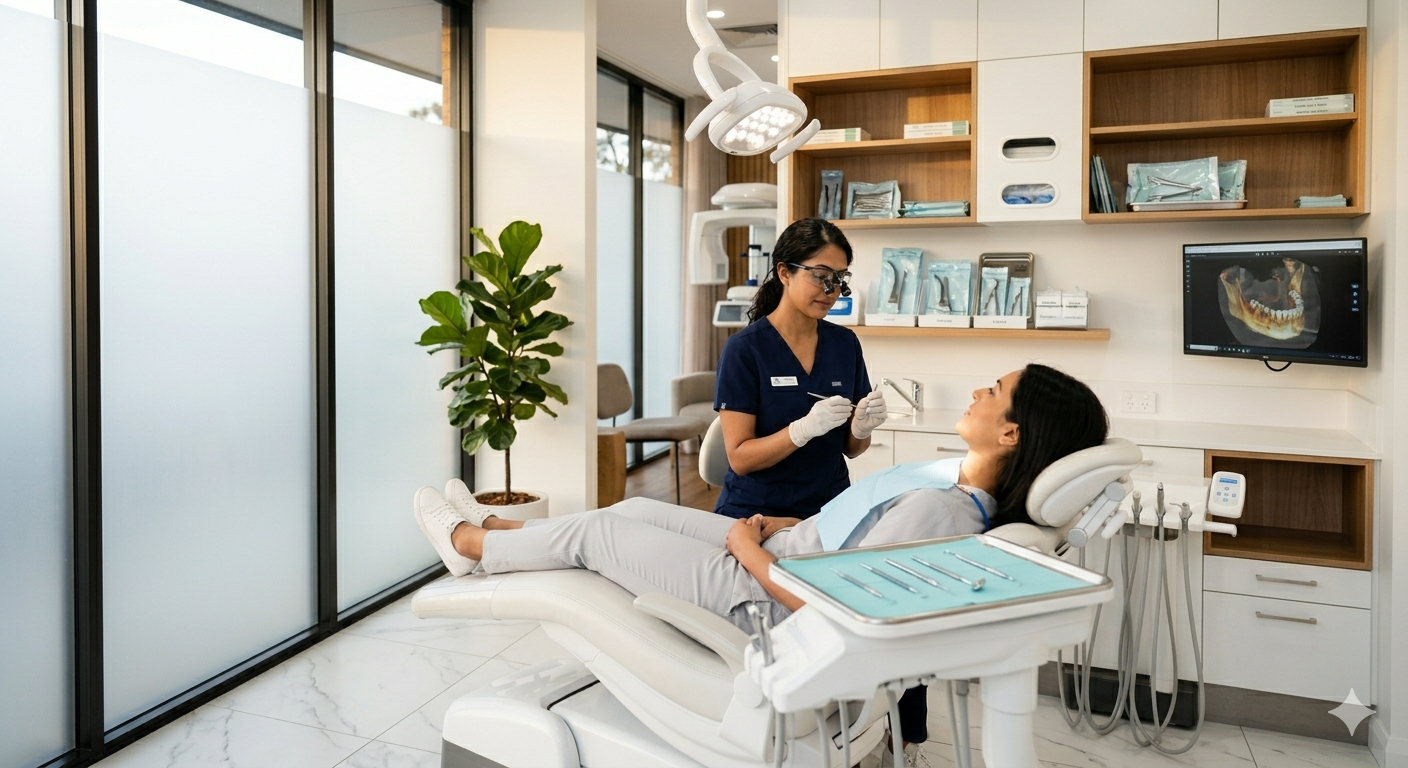
Emergency dental services in Fort Lauderdale focus on immediate relief and treatment for urgent tooth and gum problems. These services are designed to stop pain, prevent infection, and save damaged teeth with quick, professional care.
Common Types of Dental Emergencies
Dental emergencies often include toothaches, which can signal infections or cavities needing prompt attention. A broken or chipped tooth from accidents or bites on hard objects requires quick repair to avoid worsening damage.
Other common emergencies are knocked-out teeth, where saving the tooth is possible with immediate action. Lost fillings or crowns can cause pain and sensitivity. Also, abscesses—infection pockets causing swelling and severe pain—need urgent treatment to stop the spread of infection.
How to Identify a Dental Emergency
A dental emergency usually involves intense pain or visible injury. If there is severe bleeding that doesn’t stop in 10-15 minutes, it is urgent. Sudden, sharp pain that disrupts eating, sleeping, or normal life also signals an emergency.
Swelling around the face or jaw, difficulty breathing or swallowing, and fever combined with tooth pain are serious signs requiring immediate dental care. Minor discomfort or sensitivity might be postponed, but these symptoms should prompt a quick visit.
Why Quick Action Matters
Acting fast helps relieve pain and reduces the chance of infection spreading. For example, saving a knocked-out tooth is often possible only if treatment happens within an hour. Delays can lead to more complex treatments like root canals or even tooth removal.
Prompt care also prevents problems from worsening, which saves time and money later. Emergency dentists in Fort Lauderdale use modern techniques to relieve discomfort quickly and preserve natural teeth whenever possible. Seeking help early improves outcomes and supports long-term oral health.
Immediate Steps to Take During a Dental Emergency
Knowing how to react quickly and correctly can make a big difference in the outcome of a dental emergency. Whether dealing with pain, injury, or bleeding, certain actions should be taken right away to protect oral health and reduce discomfort.
Handling Toothaches and Swelling
Toothaches often signal infection or damage. Rinsing the mouth gently with warm salt water can help reduce bacteria and soothe irritation.
Over-the-counter pain relievers like ibuprofen can ease pain and reduce swelling. Applying a cold compress to the outside of the cheek can also help manage inflammation.
Avoid placing aspirin directly on the gums or tooth—it can cause burns. If swelling is severe or accompanied by fever, it’s important to seek emergency dental care immediately to prevent complications.
What to Do for Broken or Knocked-Out Teeth
If a tooth breaks, save any fragments. Rinse the mouth and tooth pieces gently with water, avoiding scrubbing. For a knocked-out tooth, hold it by the crown (top part), not the root.
If possible, reinsert the tooth into the socket immediately and hold it in place. If reinsertion isn’t possible, store the tooth in milk or a tooth preservation kit to keep it moist.
Seeing a dentist within an hour increases chances of saving the tooth. Avoid touching the root to preserve cells necessary for reattachment.
Managing Bleeding or Oral Injuries
Apply gentle pressure to bleeding areas with a clean gauze or cloth for 10-15 minutes to control bleeding. Keeping the head elevated can reduce blood flow to the injured area.
For soft tissue injuries like cuts or bites inside the mouth, rinse carefully with warm salt water to clean the wound. Avoid using hydrogen peroxide or alcohol, which can delay healing.
If bleeding doesn’t stop or if there is severe trauma, swelling, or difficulty breathing, seek immediate emergency dental or medical care.
Modern Emergency Dental Treatments Available
Emergency dental care in Fort Lauderdale focuses on fast, effective solutions that ease discomfort and prevent further damage. Whether dealing with a broken tooth or an infection, the treatments aim to restore function and relieve pain quickly.
Tooth Repair and Restoration
When a tooth is chipped, cracked, or knocked out, immediate repair is crucial. Dentists often use composite bonding to fix small chips or cracks, matching the tooth’s natural color for a seamless look. For more severe damage, crowns or veneers may be necessary to fully protect the tooth.
In cases of a completely knocked-out tooth, reimplantation might be possible within a short time frame. The tooth must be handled carefully and kept moist, ideally in milk or saline, to increase the chance of successful reattachment.
Emergency treatments also include root canal therapy if the tooth’s pulp is exposed or damaged. This stops infection and saves the tooth from extraction, preserving your natural smile.
Treatment for Abscesses and Infections
Dental abscesses require prompt attention to prevent the infection from spreading. Dentists drain the abscess to relieve pressure and pain, then clean the infected area thoroughly. Antibiotics are often prescribed to control bacterial growth.
If the infection involves the tooth pulp, root canal treatment may follow drainage. In severe cases, extraction might be necessary to protect overall health.
Early treatment prevents complications such as fever, swelling of the face or neck, and difficulty breathing or swallowing. Fort Lauderdale emergency dental clinics are equipped to handle these urgent symptoms swiftly.
Pain Relief Options in the Dental Office
Pain management is a top priority during emergency visits. Dentists use local anesthesia to numb the affected area, ensuring procedures are as comfortable as possible. For severe pain, sedation options like nitrous oxide or oral sedatives may be offered.
Over-the-counter pain relievers are recommended both before and after treatment to keep discomfort manageable. Cold compresses applied outside the mouth reduce swelling and numb the area naturally.
Patient comfort guides every step, making sure each visit feels safe and reassuring even during stressful situations.
Choosing the Right Emergency Dentist in Fort Lauderdale
Finding an emergency dentist in Fort Lauderdale means focusing on specific qualities that ensure quick, effective care. Key factors like the provider’s qualifications, their availability during off-hours, and comfort options can make a big difference during a dental crisis.
What to Look for in a Provider
The right emergency dentist should have solid credentials, including state licensure and specialized training in handling urgent dental issues. Look for dentists who have experience with a wide range of problems, such as toothaches, broken teeth, or infections.
Patient reviews and recommendations can reveal how quickly and compassionately a dentist responds under pressure. Clear communication and a welcoming office environment are also important. These aspects help reduce patient anxiety and promote trust during stressful situations.
Availability and After-Hours Care
Emergencies don’t stick to business hours. An ideal dentist offers extended hours, including nights and weekends, so help is available when you need it most. Many emergency dentists in Fort Lauderdale provide same-day appointments or walk-in options.
Some practices maintain an on-call system for night-time emergencies, ensuring prompt attention without long waits. Verify if the office offers easy contact methods—phone, online scheduling, or chat—so reaching out during an emergency is simple and stress-free.
Patient Comfort and Sedation Options
Pain and anxiety often accompany dental emergencies. A good emergency dentist prioritizes patient comfort by offering sedation options tailored to individual needs. These can range from mild nitrous oxide (laughing gas) to stronger oral or IV sedation when necessary.
Comfort measures, such as numbing gels, heated blankets, or calming music, also help create a relaxing environment. Dentists who explain sedation choices clearly and listen to patient concerns reduce fear and make treatment much smoother during stressful visits.
What to Expect During Your Emergency Dental Visit
When a dental emergency strikes, knowing what will happen during the visit can ease much of the stress. The visit typically includes a thorough exam, a tailored treatment plan, and clear guidance on what to do afterward.
Initial Exam and Diagnostic Steps
The emergency dentist begins with a quick but detailed exam to understand the problem. This often includes checking the injured area, assessing pain levels, and identifying visible damage like cracks, chips, or swelling.
Diagnostic tools like digital X-rays may be used to see below the surface. This helps detect fractures or infections not apparent to the eye. The dentist also asks about symptoms and any relevant history, such as recent trauma or dental work.
The goal is to diagnose the issue promptly so that the right treatment can start without delay. Patients can expect gentle handling and clear communication during this phase.
Personalized Treatment Plans
Once the issue is diagnosed, the dentist creates a treatment plan tailored to the patient’s needs. This plan considers factors like the severity of the injury, overall dental health, and any pain or infection present.
Treatments might include root canals, tooth extractions, dental crowns, or simple wound care. The dentist explains each option, including the expected benefits and what to expect during the procedure.
Scheduling is flexible to prioritize urgent care, and the dentist answers all questions upfront. This personalized approach ensures every patient feels confident about the next steps.
Aftercare and Recovery Guidance
After treatment, the dentist provides detailed instructions to support healing and prevent complications. These include advice on pain management, oral hygiene, diet, and when to return for follow-up visits.
Patients learn how to handle swelling or bleeding and which activities to avoid during recovery. Instructions may also recommend specific medications or home remedies to reduce discomfort.
Clear aftercare guidance helps patients regain comfort quickly and reduces the risk of further damage. The dentist encourages patients to call with any concerns during their recovery.
Prevention Tips to Avoid Dental Emergencies
Taking proactive steps can significantly reduce the risk of dental emergencies. Regular dental care and mindful habits tailored to individual lifestyles play key roles in maintaining overall oral health.
Importance of Regular Check-Ups
Routine dental visits allow the dentist to catch issues like decay, gum disease, and cracks before they turn into emergencies. These check-ups often include professional cleanings and exams that keep teeth strong and gums healthy.
During a visit, the dentist can spot subtle signs of problems such as loose fillings or weak enamel. Addressing these early prevents pain and costly repairs later.
Patients should schedule check-ups every six months or as recommended. Consistency helps maintain a clear view of dental health and ensures any risks are managed promptly.
Protective Measures for Active Lifestyles
For those involved in sports or physical activities, wearing a custom mouthguard can protect teeth from sudden trauma. Store-bought guards offer some cushioning but a dentist-made option fits better and provides superior defense.
Avoid using teeth as tools to open packages or bite hard objects like ice or pens. These habits increase the likelihood of chips or fractures.
Good hydration and balanced nutrition also support strong teeth and gums. Drinking water regularly washes away food debris and reduces acid buildup that can weaken enamel.
Understanding Emergency Dental Costs and Insurance
Emergency dental care can vary in cost depending on the type and urgency of treatment needed. Insurance policies play a key role in managing these expenses, but coverage details can differ widely. Knowing what to expect in terms of costs and payment options helps patients plan better and avoid surprises.
How Coverage Works for Emergency Care
Most dental insurance plans cover emergency visits, but the extent of coverage depends on the policy. Typically, insurance will pay for examinations and some treatments like tooth extractions or fillings, but advanced procedures might require higher out-of-pocket payments.
In-network providers usually lead to lower patient costs compared to out-of-network dentists. Some plans have waiting periods or exclusions for emergency services related to pre-existing conditions. It’s important to review your policy carefully or speak with the insurer to understand which emergency treatments are covered and to what extent.
Affordable Payment Options
Many dental offices offer flexible payment plans to help patients manage the cost of emergency care. Options often include splitting payments over several months or using third-party financing companies specializing in medical expenses.
Some clinics provide discounts for cash payments or for patients without insurance. Patients are encouraged to ask about payment options during their visit or when scheduling an appointment to avoid financial stress. Transparent communication about costs helps patients focus on recovery rather than worrying about bills.
Connecting With Emergency Dental Services in Fort Lauderdale
Finding the right emergency dental care in Fort Lauderdale starts with knowing where to turn when urgency strikes. Many local clinics offer same-day appointments or 24/7 emergency lines. This ensures quick access to treatment when pain or injury occurs.
Patients should keep contact information for nearby dental offices handy. Some of the best emergency dentists provide clear instructions on when to visit and what to expect during a visit. Calling ahead can save time and help staff prepare for the specific emergency.
To make things easier, here’s a simple checklist for connecting with emergency dental services:
Step
What to Do
Identify the Problem
Note symptoms like pain, swelling, or broken teeth.
Call Early
Reach out as soon as an issue arises to reserve a spot.
Describe Clearly
Explain the situation to get tailored advice and guidance.
Follow Instructions
Follow any pre-appointment advice to protect your oral health.
Most emergency dentists in Fort Lauderdale prioritize comfort and swift care. They offer modern treatment tools to reduce anxiety and speed healing. Patients can expect a warm, attentive approach designed to ease discomfort.
If questions arise about when to seek help or how to prepare, it’s always a good idea to consult with your dental provider. Being proactive can make all the difference in a dental emergency situation.
Frequently Asked Questions
Dental emergencies can be stressful, but knowing how to respond quickly helps protect your smile. Timely care often makes a big difference in outcomes and comfort.
Do I need to see a dentist right away for a chipped or broken tooth?
Yes, prompt attention is important, especially if the damage causes pain or sharp edges. A dentist can prevent infection and restore the tooth’s function and appearance.
If it’s a minor chip without pain, it’s still best to schedule an appointment soon to avoid further damage.
What should I do if I have a toothache in the middle of the night?
Rinse your mouth with warm water and floss gently around the affected tooth. Over-the-counter pain relievers can help reduce discomfort.
Contact an emergency dentist as soon as possible. Avoid putting aspirin directly on the gums, as this can cause irritation.
What can I do at home to ease severe dental pain until I’m seen?
Cold compresses on the cheek help reduce swelling and numb the pain. Avoid very hot or cold foods that might worsen sensitivity.
Use pain relievers like ibuprofen according to the label instructions. Maintain good oral hygiene but be gentle around the sore area.
Can an emergency room treat a dental emergency, or should I find an urgent dentist instead?
Emergency rooms can handle severe trauma and control pain but usually cannot provide dental-specific treatment like fillings or root canals.
Visiting an urgent dental clinic is preferable for issues like toothaches, infections, or broken teeth. They have specialized tools and expertise.
How can I tell if a tooth infection is serious and needs urgent care?
Signs like swelling in the face or neck, fever, difficulty breathing or swallowing, and severe pain indicate a serious infection.
If any of these occur, seek emergency dental care immediately to prevent the infection from spreading.
What are my options if I have a dental emergency but don’t have a regular dentist or insurance?
Many urgent dental clinics offer flexible payment plans or sliding scale fees. Community health centers may also provide affordable emergency care.
It’s helpful to call ahead and explain your situation so staff can guide you to the best and most affordable options.