

Thinking about wisdom teeth extraction in Fort Lauderdale can feel overwhelming, but you don’t have to navigate it alone. If your wisdom teeth hurt, are impacting other teeth, or risk infection, extraction at a trusted Fort Lauderdale practice often prevents bigger problems and restores comfort quickly.
You’ll learn why dentists remove wisdom teeth, what the extraction appointment typically involves, how recovery usually goes, and how modern techniques minimize discomfort. Expect clear guidance on choosing the right local dentist, what costs and insurance might cover, and simple aftercare steps to speed healing and reduce anxiety.
Why Wisdom Teeth Are Removed
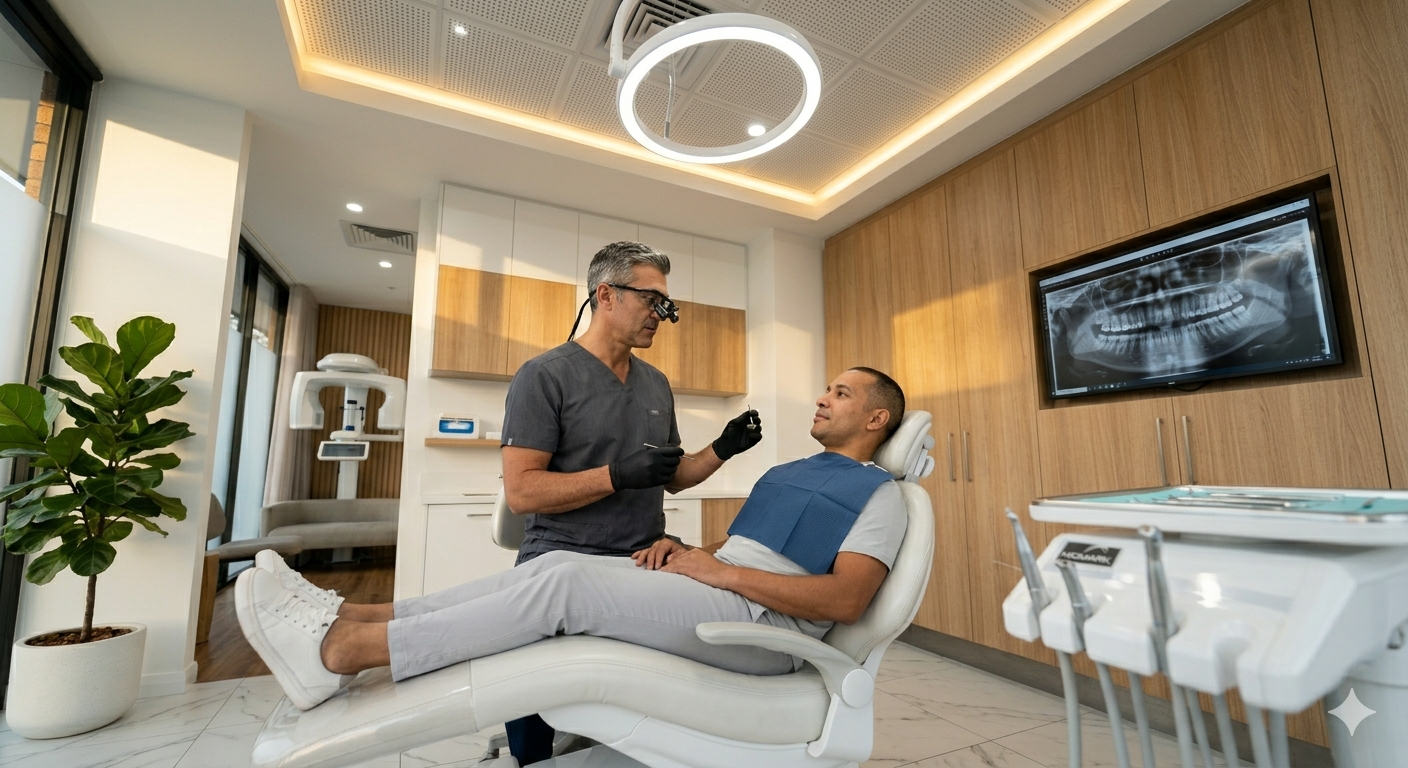
Wisdom teeth often cause crowding, infection, or damage to nearby teeth. Extraction prevents pain, preserves oral health, and makes dental hygiene easier.
Common Dental Issues with Wisdom Teeth
Wisdom teeth frequently erupt at angles that push against second molars. This pressure can create crowding and shift bite alignment, increasing wear on adjacent teeth.
Partially erupted wisdom teeth trap food and bacteria under gum flaps, which leads to pericoronitis — a painful infection causing swelling, bad taste, and difficulty opening the mouth. Impacted wisdom teeth sitting fully below the gum can form cysts that hollow bone and damage roots.
Decay risk rises because wisdom teeth sit far back and are hard to clean, so cavities develop faster than on other teeth. Dentists evaluate X-rays, gum health, and crowding to decide if removal reduces future problems.
Signs You May Need Extraction
Persistent pain behind the molars, recurring gum swelling, or a foul taste in the mouth often signals a problem. These symptoms paired with difficulty chewing or opening the jaw indicate an infection or inflammation that usually requires removal.
X-rays showing impacted teeth pressing on neighboring roots, cysts, or loss of bone support are objective signs for extraction. Repeated sinus pressure or unexplained shifts in bite alignment can also point to problematic wisdom teeth.
If routine cleanings fail to reach the back molars and recurrent decay appears, dentists commonly recommend removal. Patients with orthodontic treatment plans may need extraction to protect alignment and prevent relapse.
Consequences of Delaying Treatment
Leaving problematic wisdom teeth in place increases the chance of recurrent infections and repeated antibiotic courses. Chronic pericoronitis can progress to abscesses that require emergency care and more extensive procedures.
Extended pressure on adjacent teeth can cause root resorption, increased tooth mobility, and eventual loss of the second molar. Cysts and, rarely, tumors around impacted teeth can expand bone loss, complicating later surgical removal.
Delaying extraction can make surgery harder: roots can fully form, bones can harden, and recovery may be longer with greater post-operative discomfort. Early evaluation and timely removal often lead to simpler procedures and faster healing.
What To Expect During The Extraction Process
The process covers assessment, the actual removal steps, and options for pain control and sedation. Patients can expect clear explanations, imaging, and specific instructions for recovery tailored to their situation.
Initial Consultation and Evaluation
The dentist or oral surgeon reviews medical history, current medications, and any bleeding disorders first. They take a panoramic X-ray or CBCT scan to check tooth position, roots, and proximity to the inferior alveolar nerve or maxillary sinus.
They examine gum health and nearby teeth for decay or infection and discuss how impacted each wisdom tooth is. The provider explains risks such as nerve injury or sinus communication and notes when referral to an oral surgeon is recommended.
The clinician documents allergies and recent illnesses, then outlines pre-op instructions: stop certain blood thinners if cleared by the prescriber, avoid smoking for 24–48 hours before surgery, and arrange a ride home if sedation is planned.
Step-by-Step Guide to the Procedure
On arrival, staff confirm identity, review consent, and explain each step. The surgical site is numbed with a long-acting local anesthetic; patients usually feel pressure but not sharp pain.
If the tooth is fully erupted, the dentist uses elevators and forceps to widen the socket and extract the tooth. For impacted teeth, the surgeon makes a small gum incision, removes bone with a drill if necessary, and may section the tooth into pieces for safer removal.
After extraction, the socket is cleaned, irrigated, and sometimes packed with dissolvable sutures. The clinician places gauze for the patient to bite on and explains bleeding control, swelling management with ice, and signs of complications to watch for.
Types of Anesthesia and Patient Comfort
Local anesthesia numbs the area and allows the patient to remain fully awake; it suits routine, less complex extractions. Nitrous oxide (laughing gas) offers mild sedation and quick recovery for anxious patients while maintaining cooperation.
Oral sedatives (e.g., short-acting benzodiazepines) produce drowsiness; patients need a driver afterward and should follow fasting instructions. IV sedation provides deeper sedation and is useful for multiple or difficult extractions; it requires monitoring by trained personnel.
General anesthesia is reserved for extensive surgery or special medical needs and involves full unconsciousness with airway management. The provider discusses risks, fasting rules, and post-op recovery expectations for each option to match safety and comfort to the patient’s medical profile.
Healing And Aftercare Tips
Recovery focuses on controlling pain and swelling, protecting the blood clot, and keeping the socket clean to prevent infection. Follow specific timelines for activity, diet, and wound care to promote faster healing and reduce complications.
Managing Discomfort and Swelling
They should expect the highest pain and swelling during the first 48–72 hours. Use prescribed pain medication exactly as directed; over-the-counter ibuprofen (200–400 mg every 4–6 hours) often helps when not contraindicated. Alternate ice packs on the cheek for 20 minutes on, 20 minutes off during the first 24–48 hours to limit swelling.
Rest with the head elevated for the first 48 hours to reduce throbbing. Avoid strenuous exercise or heavy lifting for at least a week because increased blood pressure can disrupt healing. If swelling worsens after 72 hours or becomes asymmetric, call the office promptly.
Diet and Oral Care Post-Extraction
They should stick to soft, nutrient-dense foods for the first week: yogurt, mashed potatoes, smoothies (no straws), scrambled eggs, and broths. Avoid hot liquids for 24 hours and do not use straws for at least 7–10 days to protect the clot from dislodging.
Begin gentle rinsing with warm salt water (1/2 teaspoon salt in 8 ounces of water) 24 hours after surgery, repeating 4–6 times daily for one week. Brush teeth gently, avoiding the extraction site for the first 48 hours; then use a soft-bristled brush and light strokes around the area. If sutures were placed, follow the dentist’s timetable for removal or dissolution.
Warning Signs and When to Call the Dentist
Call the dentist immediately for severe or worsening pain not controlled by medication, fever above 101°F (38.3°C), or pus draining from the socket. Also report heavy bleeding that soaks through pads after 2 hours, numbness lasting beyond expected anesthesia, or a strange taste or smell that suggests infection.
Be alert for signs of dry socket: increasing pain that radiates to the ear 3–5 days after extraction and a visible empty-looking socket. If these symptoms appear, they typically require an in-office evaluation and treatment such as medicated dressings. Contact the office sooner rather than later for any concerns or to schedule a postoperative check.
Choosing The Right Dental Practice In Fort Lauderdale
Finding the right practice means balancing surgical skill, patient comfort, and clear communication. Look for specific credentials, modern imaging and sedation options, transparent pricing, and staff who explain each step patiently.
Qualities of a High-Quality Oral Surgeon
A high-quality oral surgeon holds board certification or specialized fellowship training in oral and maxillofacial surgery and has documented experience with wisdom teeth extractions. They use current technology such as cone-beam CT scans to map tooth roots and nerve position, which reduces complication risk.
Comfort-focused care matters: offer multiple sedation options (local, nitrous oxide, IV sedation) and clear pre/post-op instructions. The practice should have emergency protocols, same-day contact information, and a recovery plan tailored to medical history and medications. Read recent patient reviews for consistent themes about pain management, follow-up care, and complication handling.
Transparent pricing and insurance support save stress. The office should provide written estimates, explain what’s covered by insurance versus out-of-pocket costs, and offer financing or payment plans. Friendly, responsive staff who answer questions promptly indicate smoother care coordination from consultation through recovery.
Questions to Ask Your Dental Provider
Ask about the surgeon’s specific experience: “How many wisdom teeth removals do you perform monthly and what is your complication rate?” That gives a practical sense of skill and case volume. Follow up with questions about imaging and sedation: “Will you use a cone-beam CT and what sedation options do you recommend for my anxiety level?”
Clarify logistics by asking, “What are your pre-op instructions for my medications and eating?” and “What should I expect in the first 48 hours of recovery?” Request a written care plan and emergency contact procedures. Discuss pain control: “What medications will I be prescribed and do you offer non-opioid alternatives?”
Confirm administrative details: “Do you accept my insurance, what will my out-of-pocket cost be, and are payment plans available?” Finally, ask about follow-up: “How many post-op visits are included and how soon will you see me if complications arise?” These specific questions help compare practices and choose the option that matches clinical skill and patient comfort.
Modern Techniques And Technology
Advanced imaging, precise instruments, and sedation options reduce risk, shorten procedures, and improve comfort. Patients benefit from faster recovery, clearer surgical planning, and predictable results when clinics use current tools and evidence-based protocols.
Benefits of Advanced Equipment
Cone beam CT (CBCT) gives 3D images of tooth roots, nerves, and sinuses, letting the surgeon plan incision size and tooth sectioning precisely. That reduces the chance of nerve injury and unexpected complications.
Digital panoramic X-rays remain useful for quick screening and follow-up, while CBCT adds depth when impaction angle or root anatomy is unclear.
Intraoperative tools like piezosurgery use ultrasonic microvibrations to cut bone without damaging soft tissue. Surgeons can remove bone more gently, which often means less postoperative swelling and quicker return to normal activities.
High-speed surgical handpieces with irrigation and surgical microscopes improve visibility and decrease operative time. Those specifics translate to measurable improvements in safety and patient comfort.
Minimally Invasive Approaches
Minimally invasive extraction techniques focus on conserving bone and soft tissue to speed healing and preserve adjacent teeth. Techniques include sectioning teeth into smaller pieces, using periotomes to sever periodontal ligaments gently, and limiting flap elevation to only what’s necessary.
When appropriate, surgeons perform transalveolar removal through small openings rather than large flaps, which reduces postoperative pain and lowers infection risk.
Local anesthesia combined with oral or intravenous sedation offers tailored comfort levels. Many practices use long-acting local anesthetics and nitrous oxide or oral benzodiazepines for anxious patients; IV sedation is reserved for complex cases.
Postoperative protocols emphasize atraumatic suturing, targeted antibiotics only when indicated, and clear home-care instructions to speed recovery and minimize complications.
Cost And Insurance Considerations
Costs for wisdom teeth extraction in Fort Lauderdale vary by complexity, provider, and anesthesia choice. Simple extractions can be less expensive, while surgical removals for impacted teeth cost more.
Typical price range:
- Simple extraction: $150–$400 per tooth.
- Surgical extraction (impacted): $250–$800+ per tooth.
- Anesthesia/sedation: $100–$500 depending on type and monitoring.
Insurance often covers part of the procedure, but coverage depends on the plan and whether the removal is deemed medically necessary. Many plans pay a percentage after deductible; others use a set allowance per tooth. Patients should call their insurer to confirm benefits before scheduling.
Dental offices in Fort Lauderdale usually offer pre-treatment estimates and can submit claims on the patient’s behalf. They may also provide payment plans, in-house financing, or third-party options to spread costs.
Out-of-pocket costs can include X-rays, consultation fees, and post-op medications. Patients should ask for an itemized estimate and verify which services count toward insurance deductibles.
If a patient’s situation is urgent or medically complex, documentation from the dentist or oral surgeon can help with prior authorizations. They encourage readers to contact the clinic for a benefits check, cost estimate, or to discuss comfort-focused anesthesia options.
Supporting Nervous Patients
Patients often feel anxious about tooth removal, but clear communication, personalized comfort measures, and a calm environment reduce fear and improve outcomes. Practical steps—like explaining steps, offering sedation choices, and building rapport—help patients feel safe and informed.
Sedation Options for Comfort
Dentists typically offer three sedation levels: local anesthesia, nitrous oxide (laughing gas), and IV sedation. Local anesthesia numbs the extraction site and prevents pain while the patient remains fully awake. Nitrous oxide relaxes the patient quickly and wears off fast; it’s ideal for mild to moderate anxiety and requires no escort afterward if used alone.
IV sedation places the patient in a deeply relaxed, semi-conscious state and is controlled by trained staff. It works well for severe anxiety, complex impactions, or longer procedures. Patients must fast beforehand and arrange a responsible adult to drive them home. The dental team assesses medical history, current medications, and anxiousness level to recommend the safest option.
Building Trust With Your Dental Team
A short preoperative consultation lets the team review X-rays, describe each step, and set realistic expectations for pain, swelling, and recovery. Clear timelines for the procedure and recovery, plus written aftercare instructions, reduce uncertainty and improve compliance.
Staff who listen and validate concerns create a calmer experience; simple techniques—like using a hand signal to pause, offering frequent check-ins, and explaining sensations during surgery—help patients feel in control. Clinics often provide comfort extras: blankets, noise-cancelling headphones, and calming music to reduce sensory stress.
Preventive Steps For Lifelong Oral Health
After wisdom teeth extraction, the dental team emphasizes daily habits that protect oral health and reduce future procedures. Patients should maintain gentle brushing and flossing once healing allows; this prevents plaque buildup and infection without disturbing the surgical site.
Regular dental checkups help catch problems early. Dentists typically recommend exams every six months, but frequency may increase if complications or risk factors exist.
A balanced diet supports healing and long-term tooth strength. Limiting sugary snacks and acidic drinks reduces decay risk, while calcium- and vitamin‑rich foods support bone and tissue repair.
Tobacco and vaping slow healing and raise infection risk. Avoiding these for several weeks after surgery — and ideally quitting long-term — improves outcomes and overall oral health.
Night guards or orthodontic retainers protect teeth from grinding and shifting. If a practitioner detects bruxism or alignment issues, they will suggest appropriate appliances or referrals.
Medication and at-home care instructions must be followed precisely. Over-the-counter pain control, prescribed antibiotics, and recommended ice or salt-water rinses all contribute to smooth recovery.
Helpful checklist:
- Schedule follow-up visit within the dentist’s recommended window.
- Brush gently twice daily after 24–48 hours, floss when comfortable.
- Eat soft, nutritious foods during initial healing.
- Avoid smoking and alcohol until fully healed.
- Contact the office for persistent pain, swelling, or unusual symptoms.
If questions or concerns arise, patients are encouraged to consult their dental provider for personalized guidance and reassurance.
Taking The Next Step Toward A Healthy Smile
Patients who schedule a consultation for wisdom teeth extraction in Fort Lauderdale can expect a friendly, informative process from the first phone call. The clinic explains the exam, X-rays, and anesthesia options so people feel comfortable and prepared.
During the visit, the dentist reviews medical history and outlines a personalized plan. They discuss whether simple extraction or surgical removal suits the case and explain recovery timelines in plain language.
Many practices offer sedation choices to minimize anxiety and discomfort. Staff describe what to expect the day of surgery and provide written aftercare instructions for pain control, oral hygiene, and diet.
Common questions—such as when to resume work or exercise—receive clear answers. The team emphasizes signs of normal healing versus symptoms that need prompt follow-up.
Practical next steps:
- Call to request an evaluation and X-rays.
- Bring a list of medications and any health concerns.
- Arrange transportation if choosing sedation.
They encourage patients to ask about payment options and insurance coverage before scheduling. A brief phone conversation often clears concerns and makes the appointment feel manageable.
Frequently Asked Questions
This section addresses common concerns about symptoms that indicate extraction, provider choices, sedation options, cost and insurance, recovery expectations, and how to prevent complications. Answers prioritize practical details, recovery timelines, and clear steps patients can take for comfort and healing.
How do I know if my wisdom teeth need to be removed, and what symptoms should I watch for?
Persistent pain behind the last molar, swelling of the gums or jaw, and recurring infections near the back teeth are common signs that removal may be necessary.
Crowding of nearby teeth, visible partial eruption of a tooth with food trapping, and repeated sinus pressure or bad taste in the mouth also suggest extraction should be evaluated.
Dentists confirm need with an exam and panoramic or cone-beam X-rays to assess tooth position, root development, and proximity to nerves.
If X-rays show impaction, cyst formation, or damage to adjacent teeth, removal is usually recommended sooner rather than later.
What’s the difference between having a general dentist remove a wisdom tooth versus an oral and maxillofacial surgeon?
General dentists commonly remove fully erupted or simple partially impacted wisdom teeth in-office under local anesthesia.
They handle routine cases comfortably when roots are straight and nearby anatomy is uncomplicated.
Oral and maxillofacial surgeons manage complex extractions: deeply impacted teeth, curved or multiple roots, teeth close to the inferior alveolar nerve, or cases requiring bone removal.
Surgeons also provide advanced sedation options and have hospital privileges for very high-risk patients or medically complex situations.
What sedation options are available for wisdom tooth removal, and which one is likely best for my comfort?
Local anesthesia numbs the area and is used in nearly all extractions to eliminate pain.
Nitrous oxide (laughing gas) provides mild sedation and quick recovery for anxious but otherwise healthy patients.
Oral sedatives (pills) produce moderate relaxation and are suitable for routine anxiety control when paired with local anesthesia.
IV sedation offers deeper, adjustable sedation and is often chosen for multiple extractions, severe anxiety, or complex surgeries.
The provider recommends the best option after reviewing medical history, anxiety level, and procedure complexity.
How much does wisdom tooth removal typically cost, and will dental insurance help cover it?
Simple extractions usually range from a few hundred to around a thousand dollars per tooth, depending on location and complexity.
Surgical extractions with bone removal or general anesthesia can cost more, commonly totaling $1,000–$3,000 for a full set of four teeth.
Many dental insurance plans cover part of the cost, especially for medically necessary extractions, but coverage varies by policy and network.
Patients should check plan details for surgical versus routine extraction benefits and confirm preauthorization requirements.
What should I expect during recovery—pain, swelling, eating, and how long it takes to feel normal again?
Expect moderate swelling and soreness that peak 48–72 hours after surgery and gradually improve over 7–10 days.
Pain is usually controlled with prescribed or over-the-counter analgesics; severity depends on extraction difficulty.
Soft foods and cool, nutrient-dense meals work best for the first 3–5 days.
Most patients return to normal activities within 3–7 days; full tissue healing may take several weeks but becomes unnoticeable for daily life within two weeks.
How can I avoid complications like dry socket or infection after the procedure?
Follow post-op instructions: avoid vigorous rinsing, spitting, smoking, and using straws for at least 72 hours.
Keep the surgical site clean with gentle saline rinses starting 24 hours after surgery or as directed.
Take antibiotics if prescribed and complete the course.
Attend follow-up visits so the provider can check healing and remove sutures if needed; contact the office promptly for severe pain, fever, or persistent bleeding.